|
I recently received the most wonderful anonymous gift of three 16-inch recordings. Two of these were of Bill Stapleton’s IRC Dublin recording company, both dated 1949 and the third had an Air-Tone record label of Chestnut St. Philadelphia. Up until I received this gift, I was unaware of the existence of a 16-inch disc, which literally looks like an over-sized LP.
All interviews were carried out by Terry O’ Sullivan, both recordings were labelled “Interviews for Will Regan W.D.A.S” (a Philadelphia-based Irish music radio show) and both were dated 23/2/1949. Terry O'Sullivan (1911–80), journalist and broadcaster, was born 7 November 1911 at 25 Addison Road, Fairview, north-east Dublin, as Thomas Phelan, son of William Phelan, bookkeeper, and Mary Phelan (née Joyce). Later forms of his name were ‘Tomás O Phaloin’ (signature at marriage) and ‘Tomás Ó Faoláin’ (during army service). From the late 1940s he embarked on a career as a journalist and was invited to join the Irish Press group by its then general manager, Sean Lemass. He wrote first for the Irish Press and the Sunday Press until he moved (September 1954) to the newly launched Evening Press, writing a fledgling column called ‘The night reporter’. Ultimately this column evolved into the hugely popular ‘Dubliner's diary’, which ran for more than twenty years. While working in the newspapers he made numerous programs for Radio Éireann. His first radio broadcast had been in 1942, when he was chosen to do the commentary on the Arbour Hill 1916 commemoration; he began broadcasting regularly in 1947, adopting the pseudonym ‘Terry O'Sullivan’, from his father-in-law's name. He later worked with Eamonn Andrews on ‘Microphone parade’ and was then given his own program, ‘Musical quiz’. He continued to broadcast on RTE for several decades. He married (3 January 1938) Kathleen (Katherine, Catherine) O'Sullivan, of 122 Clonliffe Road, daughter of Terence O'Sullivan, a post office official; they had six daughters and three sons. One of his daughters, Nuala O'Faolain, became a well-known journalist, writing extensively for Irish and British newspapers, including the Irish Times and Sunday Tribune. In 1996 she wrote a best-selling memoir of her life, “Are you somebody?” (DOI: https://doi.org/10.3318/dib.007073.v1). Wilfred Michael (‘Will’) Regan (1908-1995) was born to Irish immigrant parents in Philadelphia on 12 October 1908, the youngest of three children. His father, Michael Joseph Regan, was from Co. Mayo and his mother, Rose Anne Harrington, was from Co. Offaly; they had married in Philadelphia in 1896. He attended West Catholic High School in Philadelphia, during which time he got a job as an errand boy for a local radio station, WHBW. He soon talked his way into being the sports announcer for the station and played live one hour a week with a jazz band he formed with friends from school. In 1938, Regan’s musical talents were put to work with the six-piece Emerald Isle Orchestra, for which he played violin. After WW2, he joined the station WDAS in Philadelphia as a radio announcer. It was at WDAS that Regan hosted the Irish Dances at the Crystal Ballroom, in Upper Darby, which were often broadcast live with Regan as the emcee. He was with WDAS announcing Will Regan’s Irish Hours program until 1967, when he joined WVCH in Philadelphia. He retired in the early 1990s. Following Will’s death in 1995, his long running ‘Irish Hours’ radio program was taken over by Michael Concannon, another presenter with Mayo roots. (Michael Kelly, Co. Mayo)
I was aware of the sad story of Bill Stapleton’s unsuccessful attempt to have his Irish traditional music released in the USA because of unauthorized release of his recordings in this country, however, I was not aware there were recordings (music & interviews) made by the IRC in Dublin to be specifically broadcast on US radio shows. Looking a little deeper into this, I discovered that IRC recordings were sent for radio broadcasting of Irish shows not only to the US but also further afield including Australia and South Africa. An extract from an article in the Evening Herald of March 17th, 1949, states a fifteen-minute program, hosted by Terry O’Sullivan, was recorded by the IRC and sent to Philadelphia, Boston, Australia and South Africa, for Irish radio listeners on St Patrick’s Day. The article was written by radio correspondent Owen G. Deale, who often used the initials O.G.D. in his radio review column. His contributions included "Radio News and Views", a regular feature where he reviewed Radio Éireann broadcasts and international radio programming. Terry O’Sullivan’s fifteen-minute program included interviews with “Rosie” of Moore Street and Michael O'Hehir in Croke Park and music by Kathleen Harrington (fiddle) and Michael Conroy (whistle).
Into this recording has been packed so much material that it is hard to believe it only takes fifteen minutes to play.
In all, there are eleven parts to it, the opening being provided by the magnificent choir-work of the O’Connell Schoolboys. This is followed by an interview with “Rosie” of Moore Street whose confidence and aplomb at the mike would put many older broadcasters to shame; the march past of the Defence Forces at the College Green Saluting Base; and a visit to Croke Park, where Michael O’hEithir’s voice renews acquaintance with his American friends. Singing, ceili music, Michael Conroy of Roscommon and his whistle, a party in Foley’s Hotel, Cavan, the Band of the Nine McCusker Brothers in Armagh and Kathleen Harrington (a “fiddler….by the Atlantic seashore”), help to complete the picture, before the O’Connell Schoolboys sing the program out, and Terry O’Sullivan sends our love and best wishes to all our exiles… “wherever you may be.” Personally, I wouldn’t mind being in America for long enough to hear this program again. As I said, I’m sorry you won’t hear it but at least it is good to know that our artistes and our technicians are now being shown off to the world on home-made recordings that even American experts cannot beat. What you can hear this evening from the home station is a program as full of promise as a politician before an election.
0 Comments
The Sunday night sessions in Lanigan’s Irish Pub at 3119 W 111th Street Chicago played a major role in my research into Chicago Irish music down through the years. It was there that I first met musicians Kevin Henry, Frank Burke, Joe O’Shea, Albert Neary, Malachy Towey and many, many more and the interviews of all led to the publication of my book Cry of a People Gone in 2022. The sessions were held in a small room away from the busy bar where music, song, poetry and recitations continued long into the night and sometimes following morning. It was there where the older musicians shared the music and songs they carried with them when they emigrated from Ireland in the late 1940s or early 1950s and where the younger musicians eagerly learned those tunes and songs to ensure they remain in today’s repertoire.
As we are getting ready to celebrate Christmas and close out another year, I wish to share with you a selection of the many videos and photographs I have taken at these sessions. They include many friends and family members who have now gone to their eternal rest but are not forgotten, having played such a major role in the history of Irish music in this great city.
Irish Music Memories Podcast – Interview with Nicholas Carolan The third episode of my podcast is now online where you can listen to my interview with the esteemed author, musician, broadcaster, researcher and founder of the Irish Traditional Music Archive (ITMA), Nicholas Carolan. My sincere thanks to you all for your continued support of my research. I wish you all a very Happy Christmas and best wishes for the New Year. Richie Piggott, Chicago Over the last year I visited James Murray on three separate occasions. This was prompted in part by my interest in documenting, preserving and openly sharing the history of our traditional music, song and storytelling and in part when I learnt of James’ willingness to share his lifetime of memories playing Irish music. James has been a fiddle & flute player for over 70 years and during that time he has collected the history of Irish music of his own and many previous generations of musicians in the South Sligo & East Mayo region of Ireland.
I have just published Part 2 of my meetings with James, which I hope you will enjoy. Richie Piggott, Chicago As a follow-up to my recent website post of the Seamus Ennis concert in Slattery’s, I now wish to share his playing (on tin whistle) along with fiddle player Michael Folan of Connemara. This music was recorded by Ralph Rinzler in the early 1960s in New York and held in the Smithsonian Institution. Ralph Rinzler (1934-1994) was born in Passaic, New Jersey, and was interested in music at an early age. He was given a collection of ethnographic recordings from the Archive of Folk Song of the Library of Congress by his uncle, Harvard University ballad scholar George Lyman Kittredge, and they soon became his favorites. He became actively involved in the Folk Revival while attending Swarthmore College, organizing an annual festival on campus. He received his B.A. in 1956 and did graduate work at Middlebury College and the Sorbonne in French literature and language. Upon his return to the United States, he played mandolin for four years with the Greenbriar Boys, at times touring with singer Joan Baez. During the 1960s, he also studied, recorded, and worked with performers of traditional music, such as Doc Watson and Bill Monroe, both of whom gained international recognition in part through his efforts. In 1964, Rinzler accepted the position of Director of Field Programs at the Newport Folk Foundation, which involved the planning and programming of the Newport Folk Festival. Rinzler came to the Smithsonian in 1967 as co-founder of the Festival of American Folklife (now the Smithsonian Folklife Festival) with James Morris in what was then the Smithsonian's Division of Performing Arts. After the 1976 Bicentennial Festival, Rinzler became the founding director of the Office of Folklife Programs (now the Center for Folklife and Cultural Heritage) to establish a center for research, publication, and presentation of programs in American culture and tradition. As Director, he initiated Smithsonian Folklife Studies, a publication series, and did research for the Celebration exhibit, which opened at the Renwick Gallery in 1982. Rinzler was appointed Assistant Secretary for Public Service in 1983 and Assistant Secretary Emeritus in 1990. Ralph Rinzler died on July 2, 1994. Seamus Ennis travelled to America in the early 1960s, making several appearances throughout the country including New York, Chicago and Asti, California. While in New York, he met up with fiddle player Michael Folan (Micheál Ó Cualain), whom Ennis originally met back in Connemara in the early 1940s while collecting songs and music for the Irish Folklore Commission. On my recent visit to Ireland, I met with Sean McKiernan who kindly introduced me to the Folan family in Carna. We spent a wonderful afternoon in the good company of Ciaran (Michael Folan’s nephew), and his wife Sally, who shared photographs and family history. The Folan family were very musical, playing piano, fiddle and accordion and at one stage the children formed a ceili band, performing at local events and house parties in the late 1930s and early 1940s. Michael, along with his brother Ciaran, emigrated from Ireland to New York in 1947. My sincere thanks to Cecilia Peterson, Digital Projects Archivist at the Smithsonian Institution, for the digitized music and to Scott Krafft, Chief Curator of the Charles Deering McCormick Library of Special Collections, Northwestern University Libraries Illinois, for the photographs of Seamus Ennis at the Asti Folk Music Festival in California in 1964. The review of the Bevier Hall, Chicago performance by Ennis, published in the Daily Illini by F. K. Plous Jr., paints a wonderful picture of Ennis in full command of his music, storytelling and his audience that evening. Before leaving Connemara last week, Sean McKiernan kindly presented me with a recording of three songs and part of a fourth, performed by Patrick (Pat) Clancy (son of Gilbert Clancy and Ellen Killeen* and brother of Willie Clancy). Sean recorded these 4 tracks on a visit to the Clancy home in Leagard North, Milltown Malbay on the 6th of May 1992. Present in the house that day with Sean were Pat Clancy and his sister Bridget (Baby). My sincere thanks to Sean McKiernan and to Isa Woulfe (grandniece of Willie Clancy) for permission to share this recording. *Ellen Killeen was born on Feb 4th, 1890, to Thomas Killeen (a farmer) and Bridget Coghlin at Ardnacullia South townland (now spelt locally as Ardnaculla), south-east of Ennistymon. Ellen was a concertina player and singer, and she married Gilbert Clancy in Ennis Cathedral on Dec. 1st, 1911. Gilbert, who played flute and concertina and was a nice singer, was the son of John Clancy and Molly O’Dea, who married in 1847. Molly, the daughter of Gilbert O’Dea and Catherine Lillis, was a wonderful concertina player and a very good friend of the blind piper Garrett Barry, who often spent weeks at a time in the Clancy home in Illaunbaun, as he was very fond of the family. The second episode of my podcast, Irish Music Memories, is out now – an interview with musician, singer and broadcaster Mary Conroy.
Seamus Ennis
In a telephone call I had with Tom Wilsbach to thank him for his kind gift, he mentioned an old-time fiddler from Maine named Mellie Dunham, whose story fascinated me. Tom subsequently sent me a copy of Mellie’s recordings, and I have added the following photographs, biographical information and video link to give you some insight into early old-time fiddling in America which I hope you will enjoy. Mellie Dunham
Mellie Dunham’s recordings (Tune notes and digitization by David Sanderson. Private CD courtesy of Tom Wilsbach) Mellie recorded eight sides for Victor in New York in January and February 1926 and these were his only commercial recordings. He was accompanied on these recordings by his orchestra members Nathan Noble, his son-in-law, and Nathan’s daughter Cherry. Mellie’s wife, Gram, was not a musician but she performed in the vaudeville act and travelled with the orchestra when it played. They recorded a group of contra dances that were standard in Maine from an earlier period, with Nathan calling; “Rippling Waves”, a waltz composed by Mellie and two medleys of Mellie’s standard tunes, both titled on the records “Medley of Reels” although one is a group of jigs. Old-time Fiddle CompetitionsFiddle competitions first appeared in the U.S. in November of 1736. According to The Thistle and the Brier: Historical Links and Cultural Parallels Between Scotland & Appalachia, p.73, by Richard Blaustein (McFarland & Company, Inc., 2003) “The first recorded fiddle contest was held as part of a St. Andrew’s Day celebration in Hanover County, Virginia.” The best fiddler was to win an Italian-made Cremona fiddle. The next year only the first twenty fiddlers to sign up were allowed to play. In Texas some contests were running for as long as eight days. The Atlanta Fiddlers’ Convention was begun in 1913 and became an annual contest. As noted earlier, Henry Ford was greatly interested in old-time fiddling. He sponsored fiddle contests at Ford dealerships in hundreds of communities across the country. His promotion of fiddling helped contribute to its growing popularity on the radio.
The eventual winner of the competition was 67-year-old John Claffey of Boston, a professional musician who played for the Boston Symphony Orchestra. To give you an idea of what these fiddle contests looked like in the olden days, click on the link below to see a short film of the 1926 Michigan State Fiddle Contest. The famous classical violinist Mischa Ellman attended this event and presented the trophy to the eventual winner, “Jep” Bisbee, a fiddle maker and player from Paris, Michigan. Michigan Fiddle Contest Champ Named (courtesy of King Rose Archives) New Podcast – Irish Music MemoriesFinally, I wish to announce the launch of a new podcast in which I will share interviews with musicians, broadcasters, researchers and storytellers who have shaped the traditional Irish music scene in Ireland and beyond. The podcast is entitled Irish Music Memories and will be available from your favourite podcast app.
Exploring Irish traditional music & musicians of South Sligo / East Mayo |
| Over the last year I visited James Murray on three separate occasions. This was prompted in part by my interest in documenting, preserving and openly sharing the history of our traditional music, song and storytelling and in part when I learnt of James’ willingness to share his lifetime of memories playing Irish music. James is a fiddle & flute player for over 70 years and during that time he has collected the history of Irish music of his own and many previous generations of musicians in the South Sligo & East Mayo region of Ireland. This is Part 1 of what will be a multi-part series of my meetings with James, which I hope you will enjoy. Richie Piggott, Chicago |
While researching the musical life of the Philadelphia piper, Thomas Standeven, I discovered he frequently visited the Appalachian Mountain region of Northern Pennsylvania, visiting the musicians who lived there. One of these locals was blind fiddler Kirkhuff, whose ancestors came from Germany in the late 1700s.
Here I present two recordings: one from 1964, when Tom Standeven, accompanied by his friends Danny Smith (accordion, Co. Galway) and Pat Harvey (fiddle, Co. Donegal) travelled up to the Appalachian Mountains in N. Pennsylvania to spend an afternoon with Jehile; and the other a compilation of Jehile’s music I have collected from various sources including Lora Staples of Red Desert Violin, Dan Fassett and the recordings of Ed & Geraldine Berbaum...
The photos below are from a recent visit Eileen Neary and I paid to the home of Pauline Henry. Pauline, now in her 92nd year, was in great form all afternoon as we spoke of the wonderful sessions we all experienced in Lanigan's down through the years. I have also included a video clip I took of one of these sessions in Oct. 2017, where their husbands (RIP) were enjoying the craic!
Pauline & Eileen, thank you both for a wonderful afternoon and keep well,
Richie
Pauline & Eileen, thank you both for a wonderful afternoon and keep well,
Richie
Un-Published O’Neill Letter:
The family of Patrick O’Leary recently presented me with another letter originally sent by Francis O’Neill to his friend Patrick O’Leary in Adelaide, Australia.
The letter is dated Nov. 8th, 1904, following the publication of O’Neill’s first book Music of Ireland in 1903. Unlike those previously received from the O’Leary family, this letter was typed by O’Neill or one of his staff at the City of Chicago Department of Police, when he was General Superintendent. The letter was accompanied by a limited-edition copy of the Music of Ireland (“morocco bound, only 100 volumes were thus bound”), which is my first ever indication Francis O’Neill published a Limited Edition (100 copies) of Music of Ireland.
My sincere thanks to the great grandchildren of Patrick O’Leary for sharing this correspondence and book details which again will be of great interest to O’Neill scholars.
The family of Patrick O’Leary recently presented me with another letter originally sent by Francis O’Neill to his friend Patrick O’Leary in Adelaide, Australia.
The letter is dated Nov. 8th, 1904, following the publication of O’Neill’s first book Music of Ireland in 1903. Unlike those previously received from the O’Leary family, this letter was typed by O’Neill or one of his staff at the City of Chicago Department of Police, when he was General Superintendent. The letter was accompanied by a limited-edition copy of the Music of Ireland (“morocco bound, only 100 volumes were thus bound”), which is my first ever indication Francis O’Neill published a Limited Edition (100 copies) of Music of Ireland.
My sincere thanks to the great grandchildren of Patrick O’Leary for sharing this correspondence and book details which again will be of great interest to O’Neill scholars.
Recording of two Sligo Fiddle Masters
On 4th April 1987 John Frank Vesey, the great Sligo fiddle player, took the journey north from his home in Philadelphia to visit his good friend and fellow Sligo musician, Martin Wynne, who lived in New York. Vesey was accompanied on that journey by his friend Robin Hiteshew of Philadelphia, as he wanted Robin to record the meeting between the two musicians. Robin has the recording for almost 40 years and, to my great surprise and delight, he has now donated the master tapes to me for inclusion in my Archive. Robin also kindly allowed me to interview him, to include as part of the introduction to the recording, and he sent me one of the photos of the two musicians he took that day, to supplement the introduction to this historic recording.
Photograph: ©Robin Hiteshew
A wonderful collection of Irish music Acetates
I recently received a gift, from a donor who wishes to remain anonymous, of a wonderful collection of Irish music acetates. They date from roughly mid-1940s to mid-1950s and are primarily fiddle music. The donor, who received these acetates over 50 years ago from John Frank Vesey, the great Sligo fiddle player, wanted me to add them to my Archive as he “admires what I am doing to share the old music.” Vesey, who was based in Philadelphia, came to Chicago on a number of occasions to act as judge at the IMA Fleadhs in the mid – 1960s. While in Chicago, he stayed with his former neighbor and student back in Co. Sligo, Phil Durkin. The musicians playing on these acetates are:
Eddie Cahill (flute), Patsy Cawley (fiddle), Daniel Costigan (song), Paddy Cronin (fiddle), James “Lad” O’Beirne (fiddle), Paddy O’Brien (accordion), Tom Potts (fiddle), Ed Reavy (fiddle), John Frank Vesey (fiddle) and Martin Wynne (fiddle). Where we are almost certain, but cannot say definitively, the name of the musician playing a specific track we have “maybe” after the name. There are a few unknown musicians (Anon Violin) with at least one unknown tune (Gan Ainm) and I would love to hear from anyone who may recognize and name the Anon Violin or “Gan Ainm”.
Sincere thanks to my anonymous donor for the gift of this great music, to Alan Morrisroe for digitizing the acetates (the final 6 tracks were digitized by the donor) and to those who helped identify names of musicians & tunes, including Seamus Connolly, Sean Quinn, Eileen O’Brien*, Nicki McAuliffe, Don Meade, Brian Conway and Emmett Gill.
I recently received a gift, from a donor who wishes to remain anonymous, of a wonderful collection of Irish music acetates. They date from roughly mid-1940s to mid-1950s and are primarily fiddle music. The donor, who received these acetates over 50 years ago from John Frank Vesey, the great Sligo fiddle player, wanted me to add them to my Archive as he “admires what I am doing to share the old music.” Vesey, who was based in Philadelphia, came to Chicago on a number of occasions to act as judge at the IMA Fleadhs in the mid – 1960s. While in Chicago, he stayed with his former neighbor and student back in Co. Sligo, Phil Durkin. The musicians playing on these acetates are:
Eddie Cahill (flute), Patsy Cawley (fiddle), Daniel Costigan (song), Paddy Cronin (fiddle), James “Lad” O’Beirne (fiddle), Paddy O’Brien (accordion), Tom Potts (fiddle), Ed Reavy (fiddle), John Frank Vesey (fiddle) and Martin Wynne (fiddle). Where we are almost certain, but cannot say definitively, the name of the musician playing a specific track we have “maybe” after the name. There are a few unknown musicians (Anon Violin) with at least one unknown tune (Gan Ainm) and I would love to hear from anyone who may recognize and name the Anon Violin or “Gan Ainm”.
Sincere thanks to my anonymous donor for the gift of this great music, to Alan Morrisroe for digitizing the acetates (the final 6 tracks were digitized by the donor) and to those who helped identify names of musicians & tunes, including Seamus Connolly, Sean Quinn, Eileen O’Brien*, Nicki McAuliffe, Don Meade, Brian Conway and Emmett Gill.
Patrick O’Leary Family
Adelaide, Australia
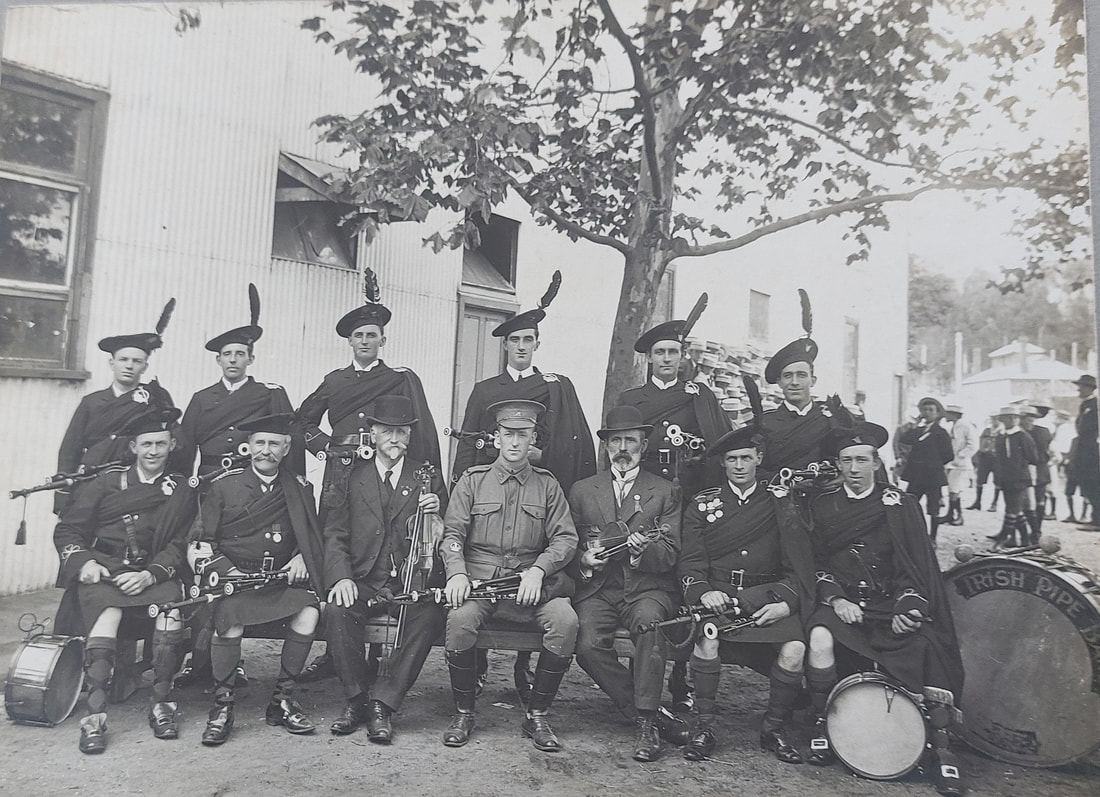
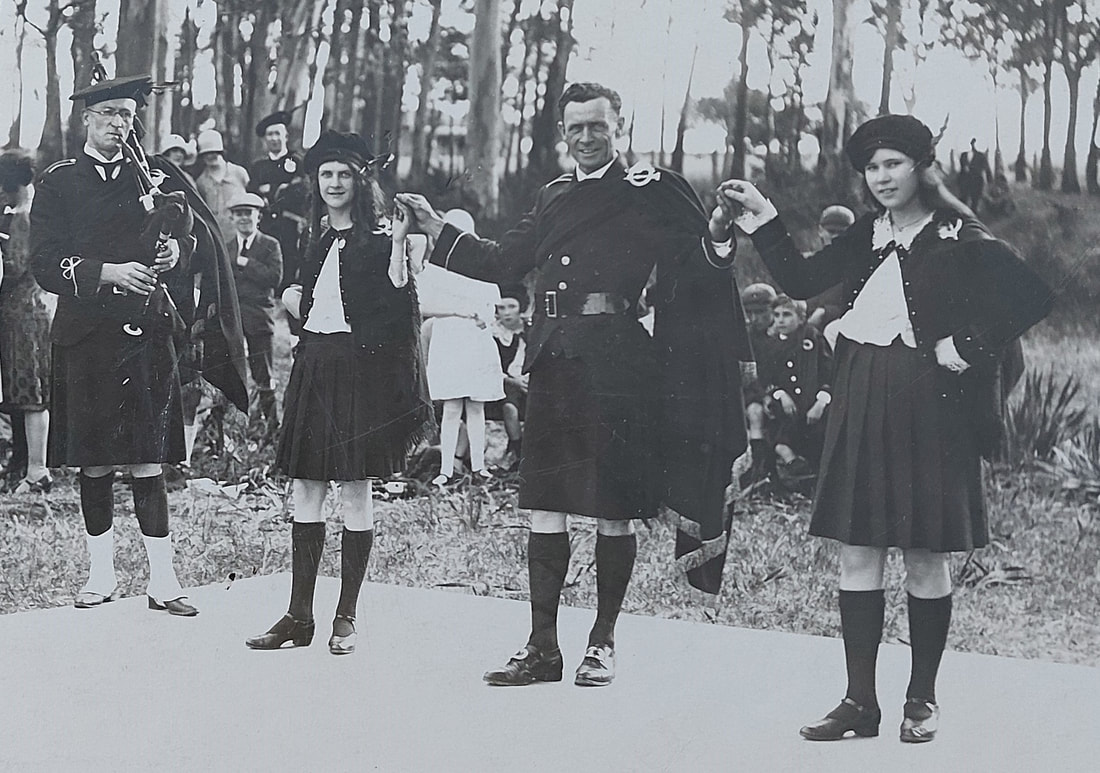
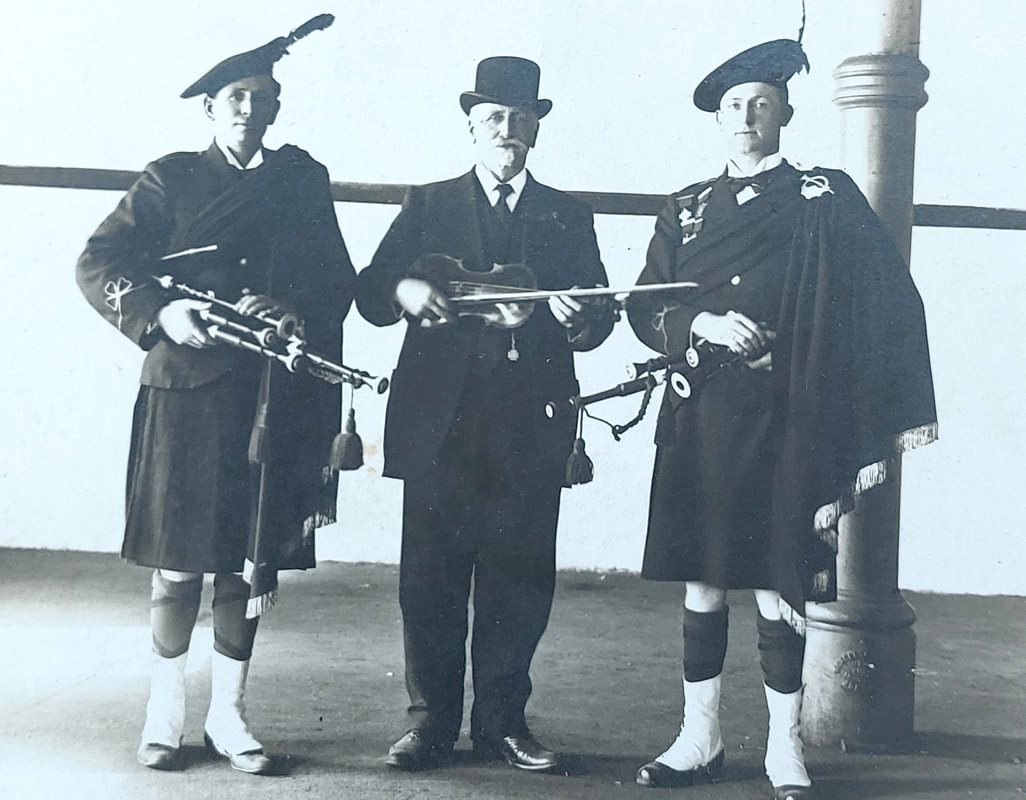
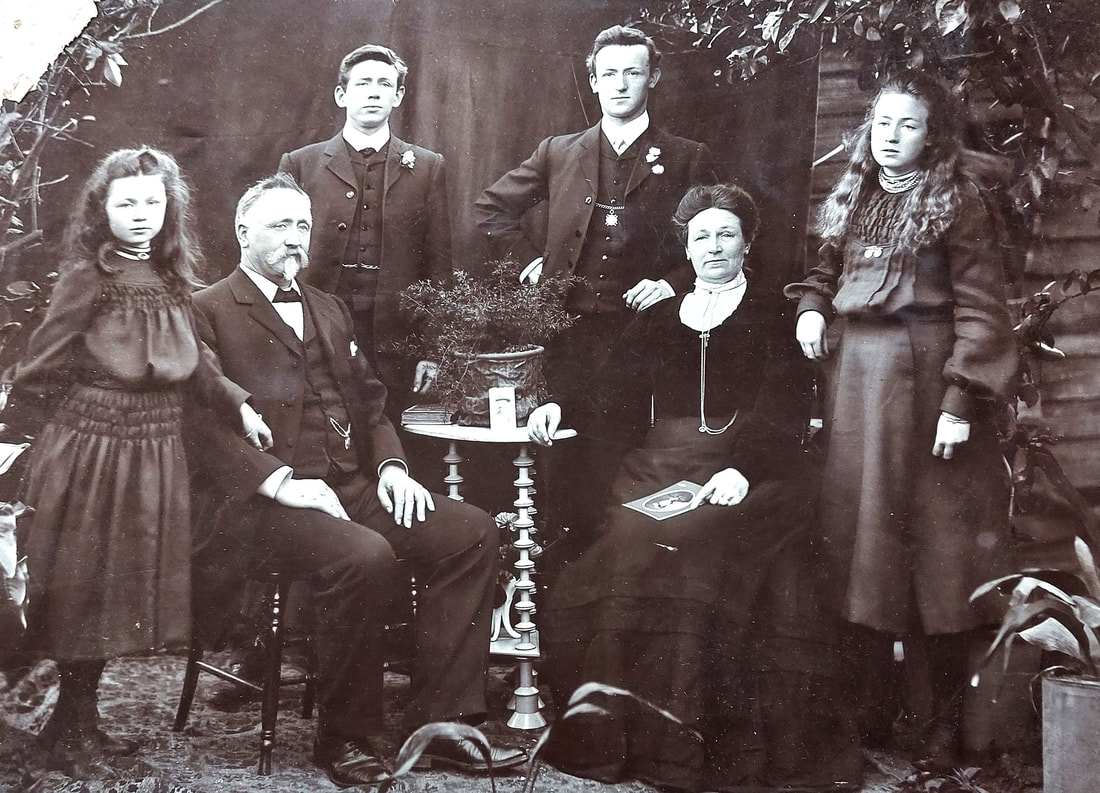
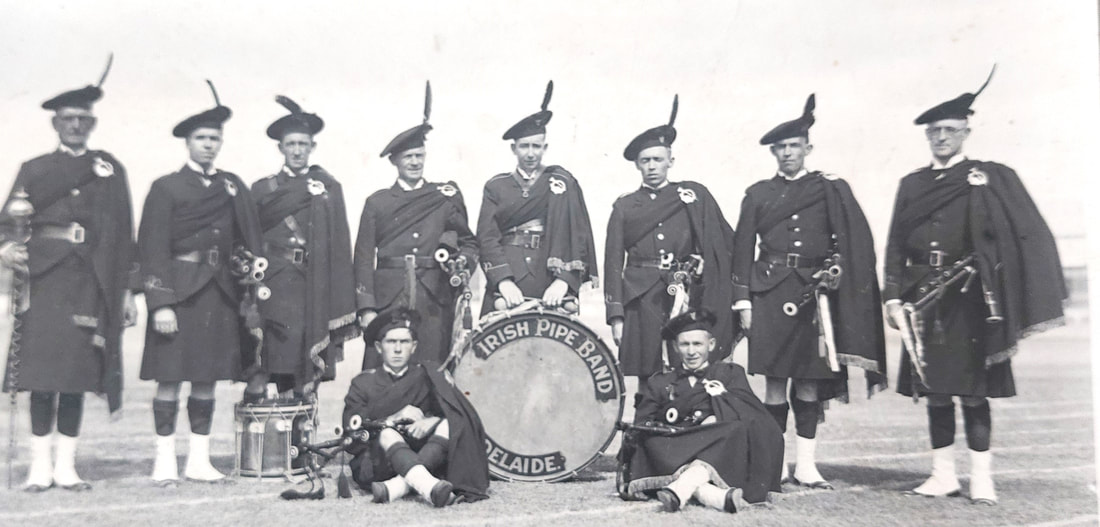
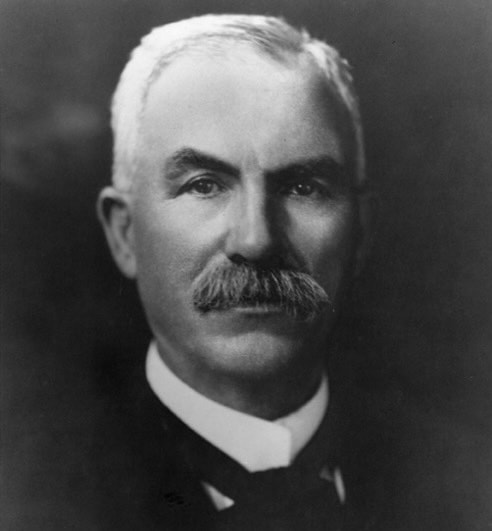
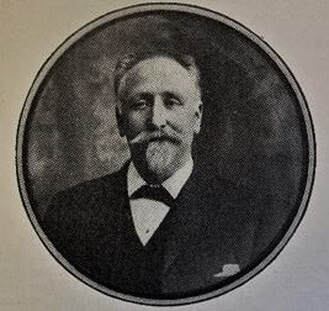
As a follow-up to the inclusion of the Francis O’Neill letters to Patrick O’Leary in my Archive, I recently received a collection of wonderful photos from his great granddaughter in Adelaide. The photos are of Patrick with his family and with various musical friends depicting the social Irish music scene in Adelaide in the early decades of the 1900s.
Adelaide, Australia
As a follow-up to the inclusion of the Francis O’Neill letters to Patrick O’Leary in my Archive, I recently received a collection of wonderful photos from his great granddaughter in Adelaide. The photos are of Patrick with his family and with various musical friends depicting the social Irish music scene in Adelaide in the early decades of the 1900s.
Upcoming Events
I will participate in the following up-coming events in USA and Ireland and look forward to meeting any of my friends who may be in attendance.
April 11-13
The Ward Irish Music Archives conference, Archiving Irish America: Music, Dance and Culture April 11-13 in Milwaukee. I will deliver a presentation on my Chicago Archive of Irish Traditional Musicians & Storytellers.
Archiving Irish America: Music, Dance, and Culture Conference
April 26-28
The 2nd Gathering to memorialize Patsy Touhey, one of America’s greatest uilleann pipers will be in Boston again this year. I will deliver a presentation on the Life & Music of piper Mike Scanlon, originally from Doocastle, Co. Mayo, who spent most of his life in Cleveland.
Patsy Touhey Weekend
May 24-26
Na Piobaire Uilleann (NPU), The Piper’s Club in Dublin, will hold their annual meeting in Thurles, Co. Tipperary this year. I will attend as guest speaker and will deliver a presentation on the Life & Music of Thomas Standeven, uilleann piper and teacher from Philadelphia.
NPU Annual Tionól 2024 - Tipperary - Na Piobairi Uilleann
I will participate in the following up-coming events in USA and Ireland and look forward to meeting any of my friends who may be in attendance.
April 11-13
The Ward Irish Music Archives conference, Archiving Irish America: Music, Dance and Culture April 11-13 in Milwaukee. I will deliver a presentation on my Chicago Archive of Irish Traditional Musicians & Storytellers.
Archiving Irish America: Music, Dance, and Culture Conference
April 26-28
The 2nd Gathering to memorialize Patsy Touhey, one of America’s greatest uilleann pipers will be in Boston again this year. I will deliver a presentation on the Life & Music of piper Mike Scanlon, originally from Doocastle, Co. Mayo, who spent most of his life in Cleveland.
Patsy Touhey Weekend
May 24-26
Na Piobaire Uilleann (NPU), The Piper’s Club in Dublin, will hold their annual meeting in Thurles, Co. Tipperary this year. I will attend as guest speaker and will deliver a presentation on the Life & Music of Thomas Standeven, uilleann piper and teacher from Philadelphia.
NPU Annual Tionól 2024 - Tipperary - Na Piobairi Uilleann
| I am delighted to present previously unpublished correspondence between Capt. Francis O’Neill of Chicago and his friend Patrick O’Leary of Co. Cavan & Adelaide, Australia. The correspondence, kindly donated to me by Judith O’Loughlin, great granddaughter of O’Leary, consists of 5 letters from O’Neill between the years 1906-1914. Judith saw the music manuscript which O’Leary sent to O’Neill in 1922 in the Manuscript section of my Archive and reached out to me to say she had the letters in her possession for over 50 years, which were handed down through her family from her great grandfather. She very kindly scanned each letter and sent them to me to upload on my website as a compliment to her great grandfather’s manuscript. I have no doubt that these letters will be of great interest to O’Neill scholars while clearly demonstrating the strong relationship between both men. My thanks to Judith for her donation of the letters and family photos and bestowing on me the honor of publicizing O’Neill’s letters for the first time. Thanks also goes to my two “comrades in arms”, Michael Kelly, now living in Barna, Co. Galway, for his detailed family history of Patrick O’Leary and to Nick Whitmer of Ithaca, NY for his help in deciphering and transcribing the wonderfully intricate handwriting of Capt. Francis O’Neill. I would also like to take this opportunity to thank all my subscribers for their encouragement and support throughout this year and I wish you and your families very Happy & Peaceful Holidays and best wishes for the New Year. – Richie Piggott, Chicago |
News
Here you can find a collection of posts that don't fit neatly into the archive; letters, acetates, events and so on...
Archives
January 2026
December 2025
October 2025
September 2025
July 2025
March 2025
October 2024
May 2024
March 2024
December 2023


RSS Feed